Scalable Design and Remote Monitoring Capabilities
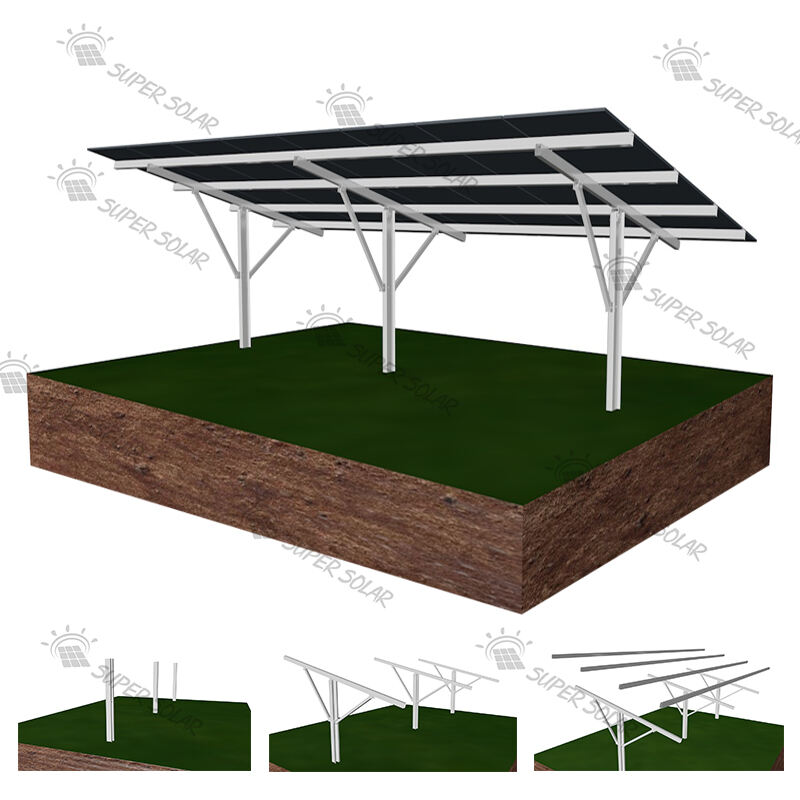
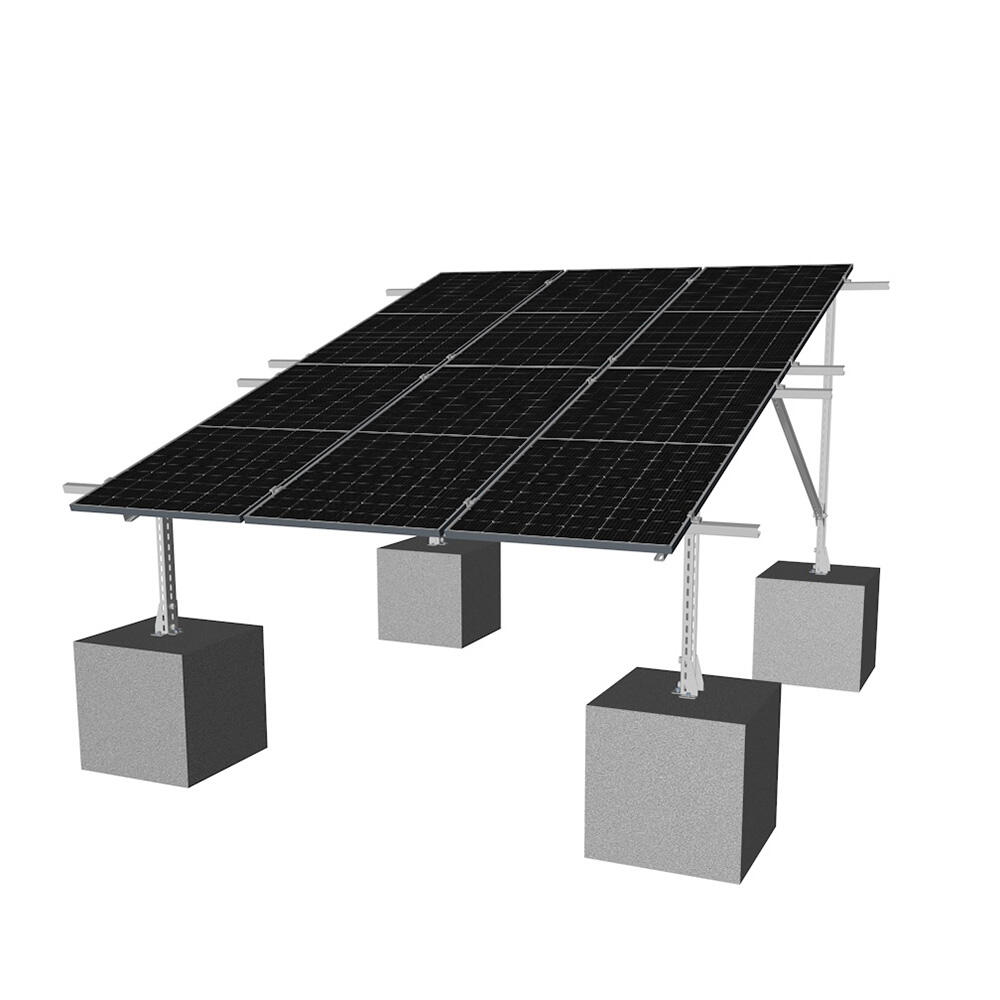
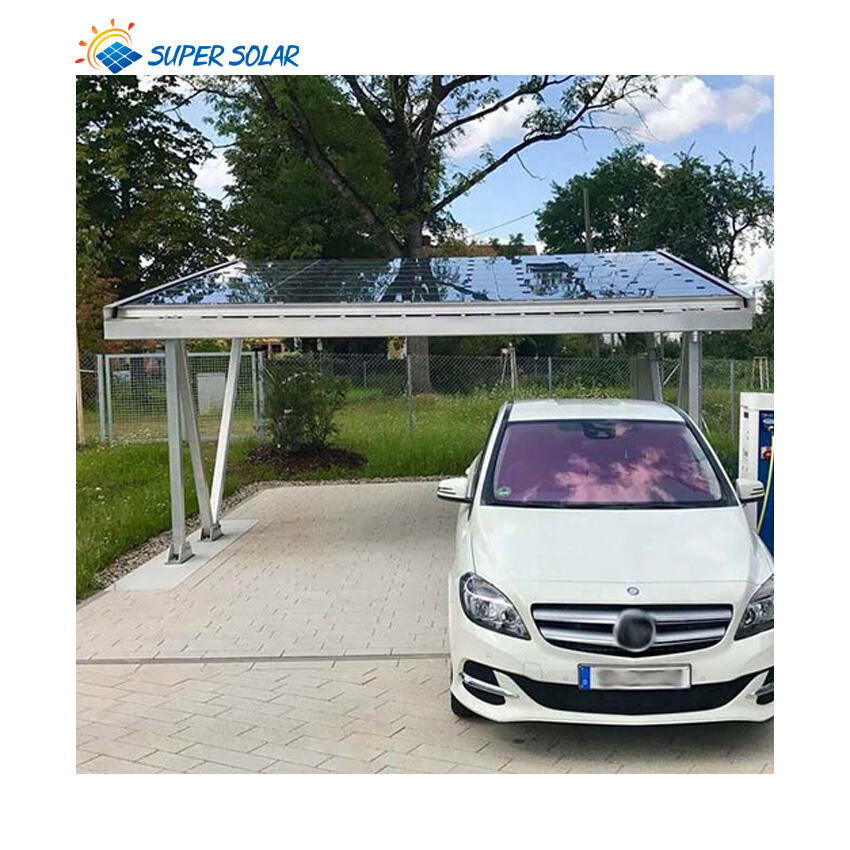
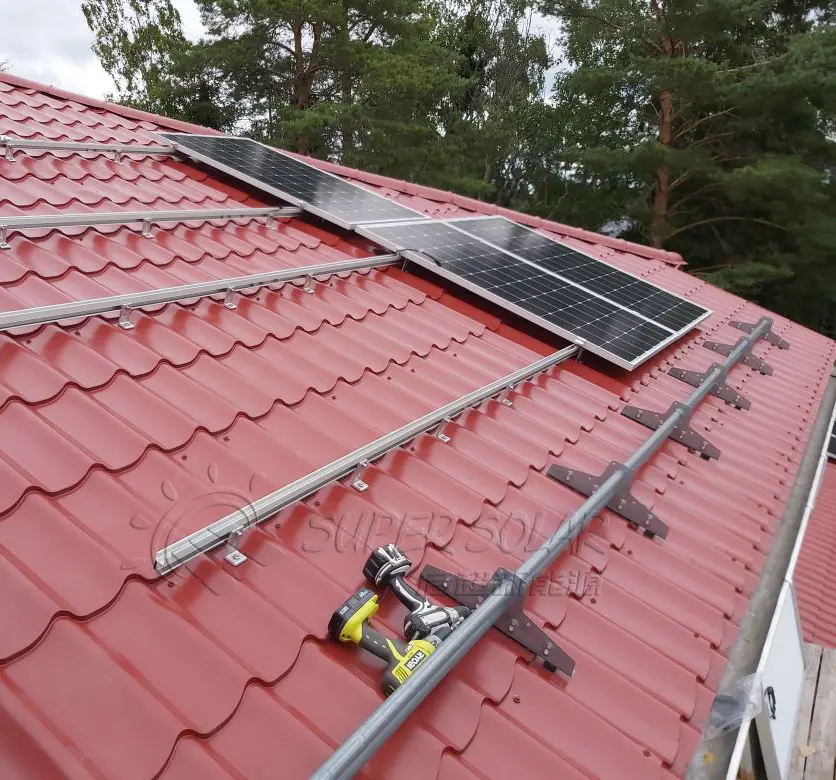
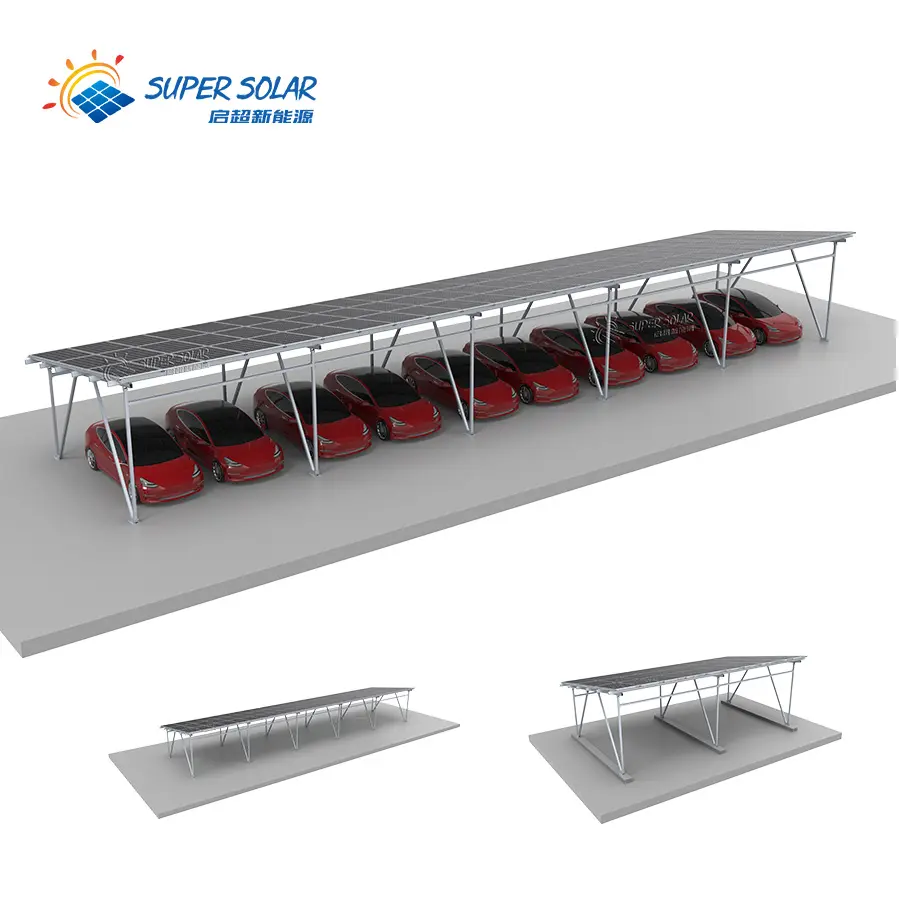
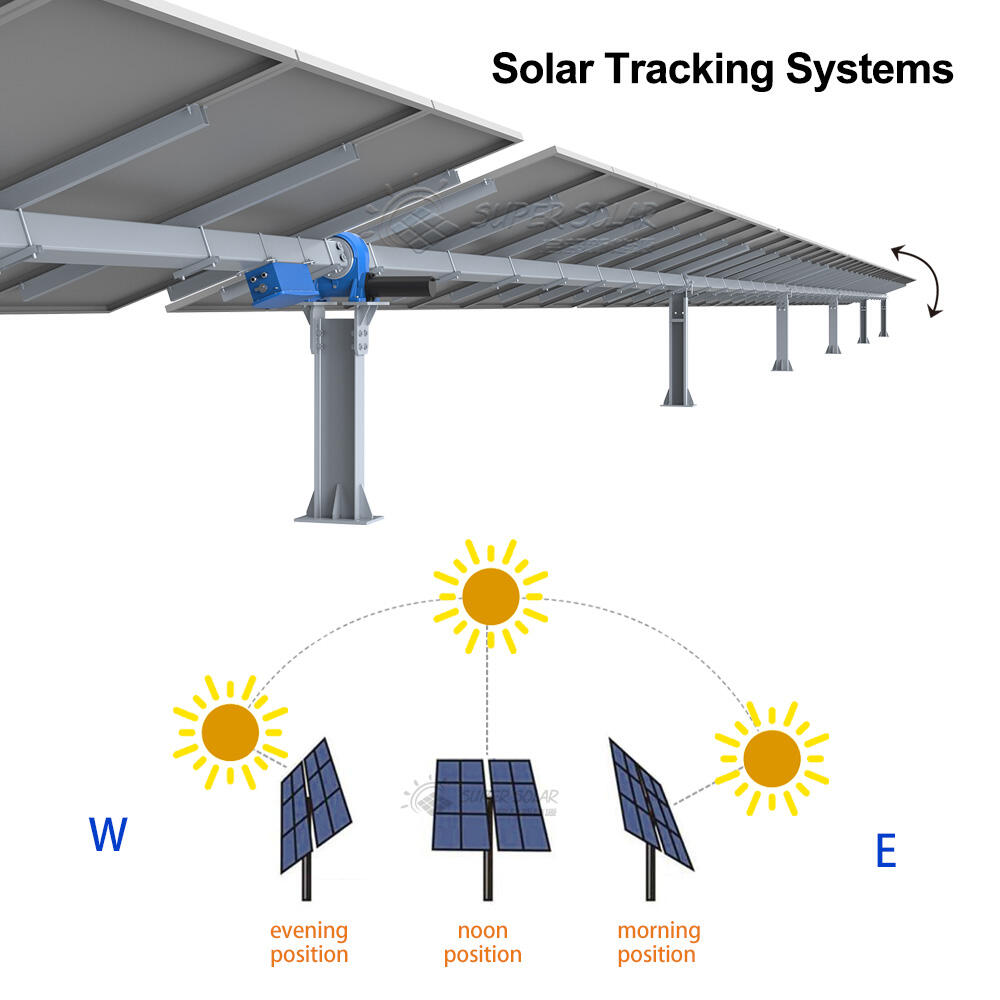
The customized solar tracking system features exceptionally versatile scalable design architecture that accommodates projects ranging from small residential installations to massive utility-scale solar farms, providing consistent performance benefits across all deployment scales. This scalability advantage stems from modular component design that allows seamless integration of multiple tracking units under centralized control systems, enabling coordinated operation of hundreds or thousands of individual trackers. The customized solar tracking system supports various mounting configurations including ground-mount, carport, and specialized terrain installations, adapting to diverse site conditions and project requirements without compromising tracking accuracy or energy production benefits. Advanced communication networks enable remote monitoring and control capabilities through wireless connectivity options including cellular, WiFi, and satellite links, ensuring reliable system oversight regardless of installation location. Comprehensive data collection systems gather detailed performance metrics from each tracking unit, including energy production statistics, mechanical operation parameters, environmental conditions, and maintenance indicators. Real-time monitoring dashboards provide intuitive interfaces for system operators to analyze performance trends, identify optimization opportunities, and schedule preventive maintenance activities. The customized solar tracking system incorporates cloud-based data storage and analysis platforms that enable long-term performance tracking and predictive analytics for enhanced system management. Remote diagnostic capabilities allow technical support teams to identify and resolve operational issues without requiring on-site visits, reducing maintenance costs and minimizing system downtime. Scalable control architecture supports future system expansions through plug-and-play component integration that maintains compatibility with existing installations. Performance optimization algorithms analyze collective tracking system data to identify improvement opportunities and implement coordinated adjustments across entire solar installations. The system supports multiple user access levels with customizable permissions for different stakeholders including system owners, operators, and maintenance personnel. Historical data retention capabilities enable comprehensive performance analysis and regulatory reporting requirements while supporting warranty claim documentation and system optimization studies. This scalable approach ensures that customized solar tracking system investments remain viable and expandable as project requirements evolve over time.
 EN
EN