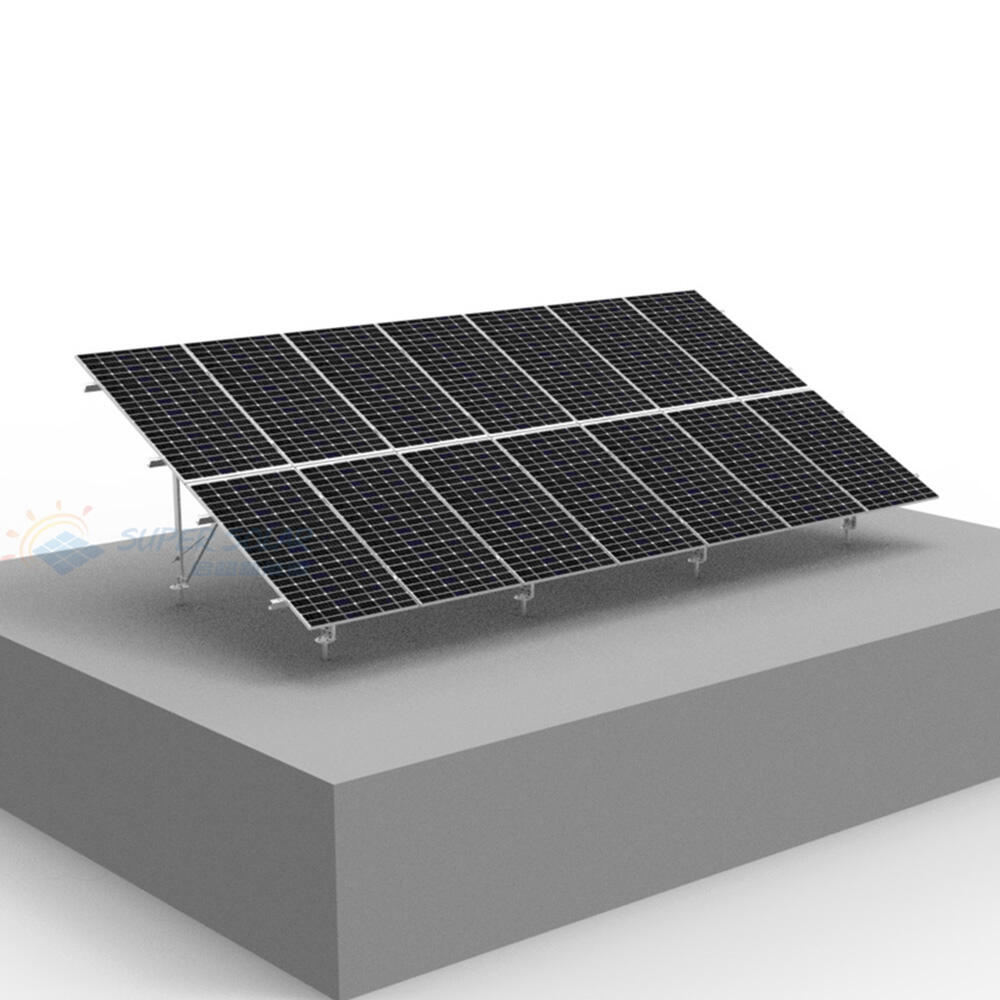
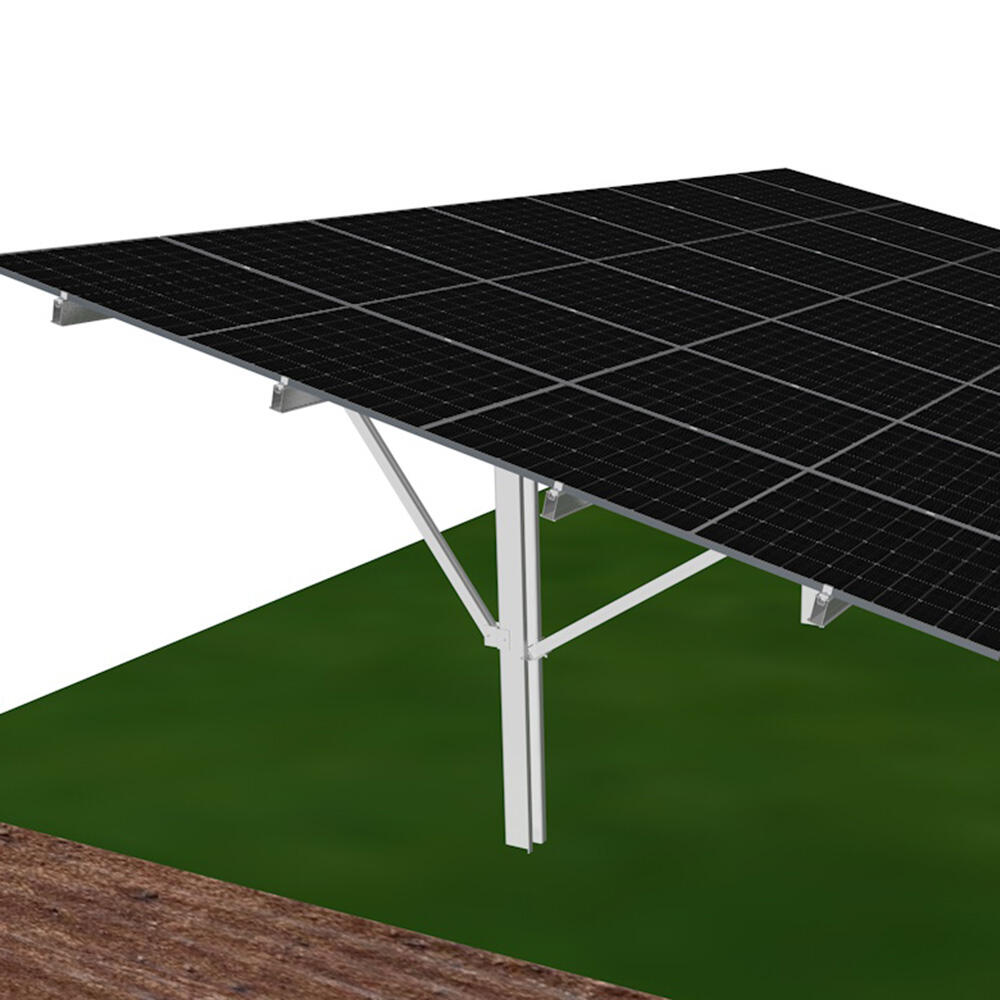
ground mount solar racking
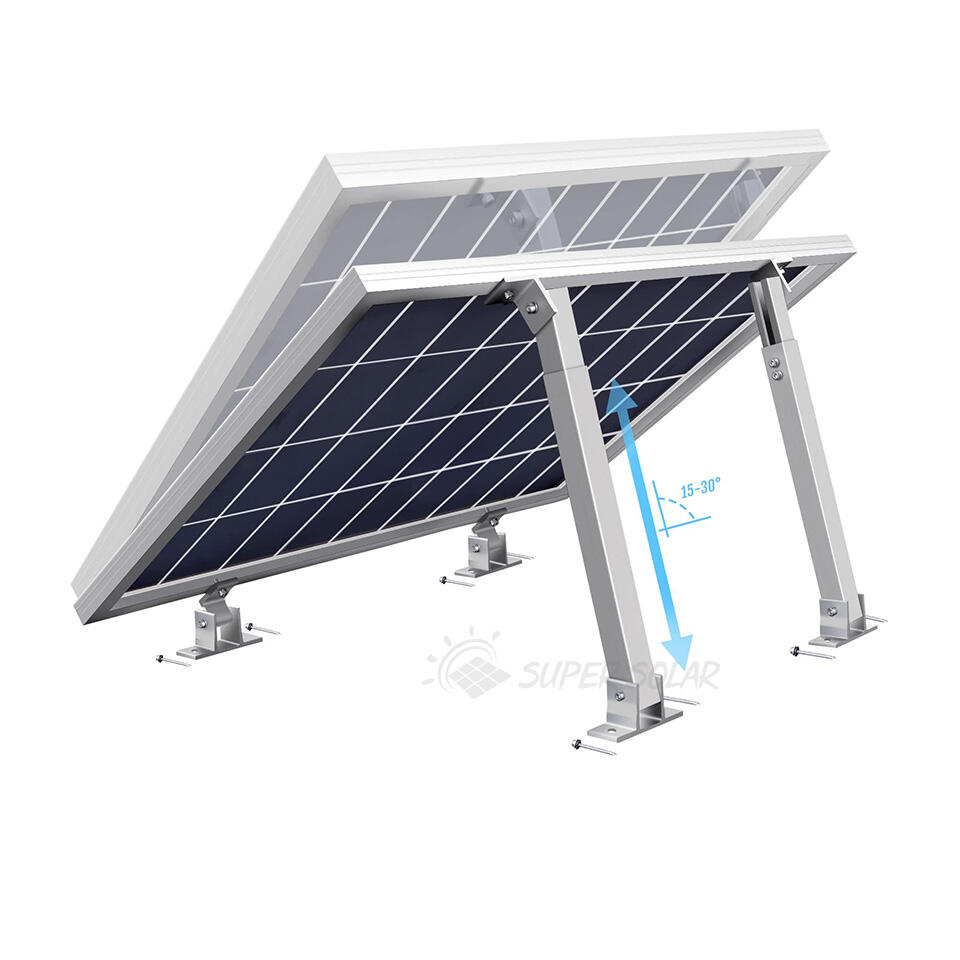
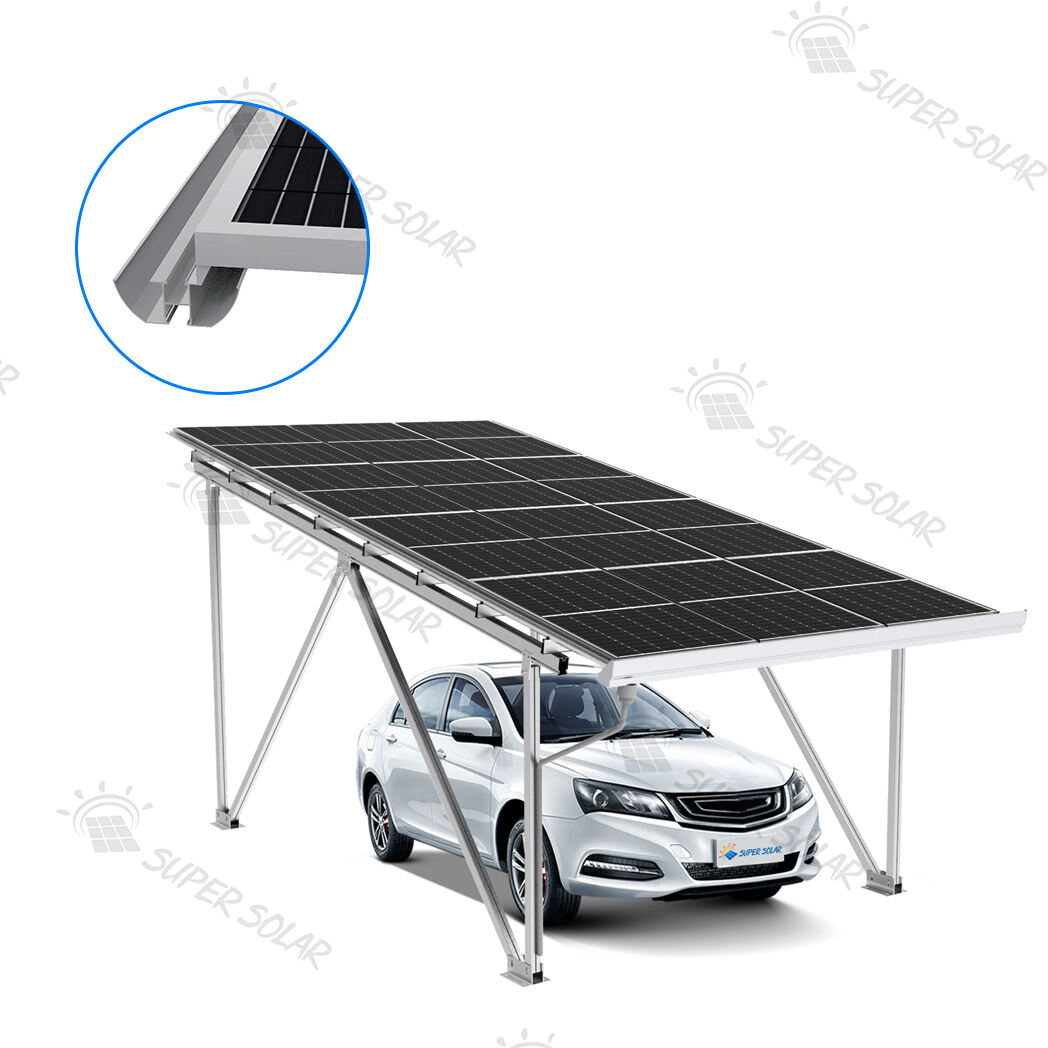
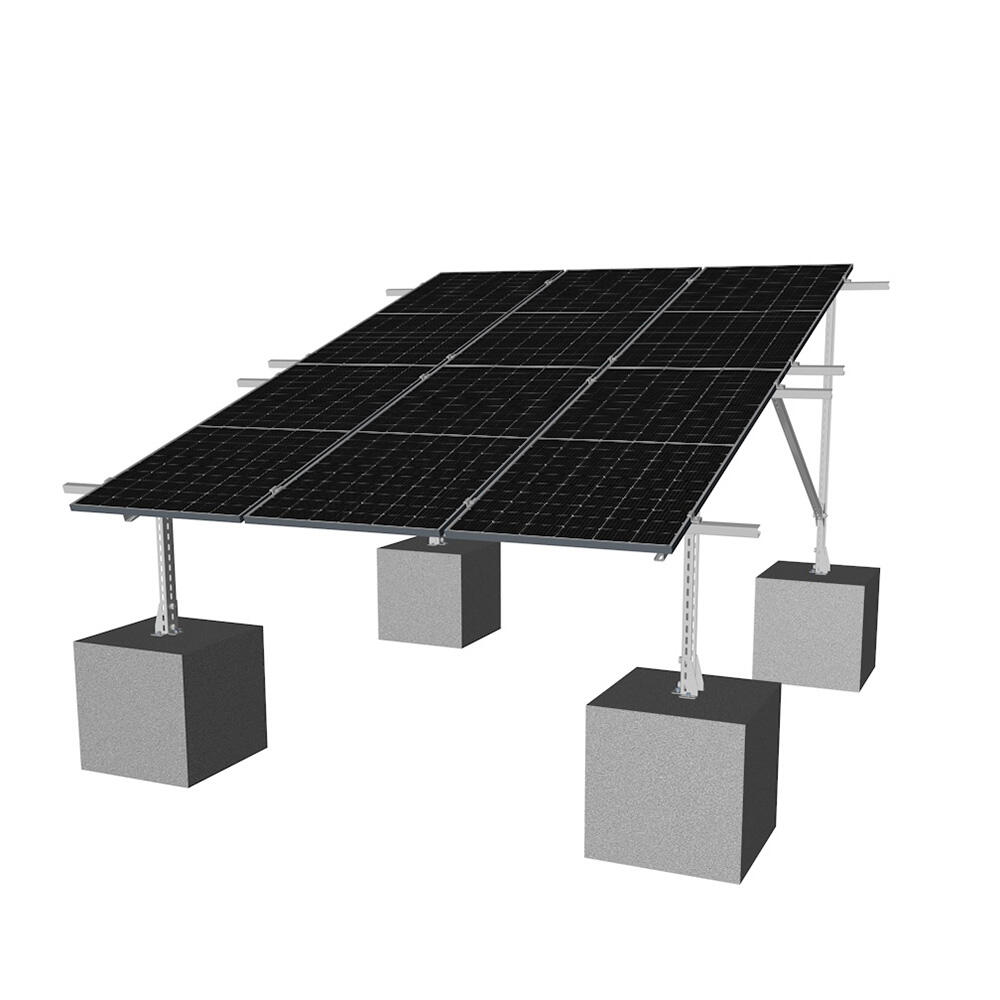
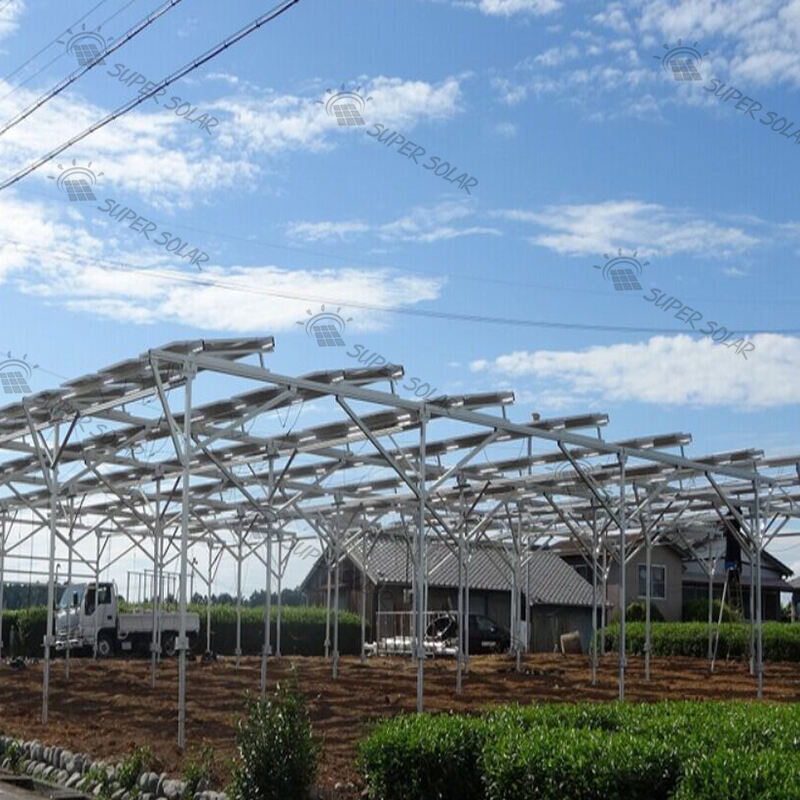
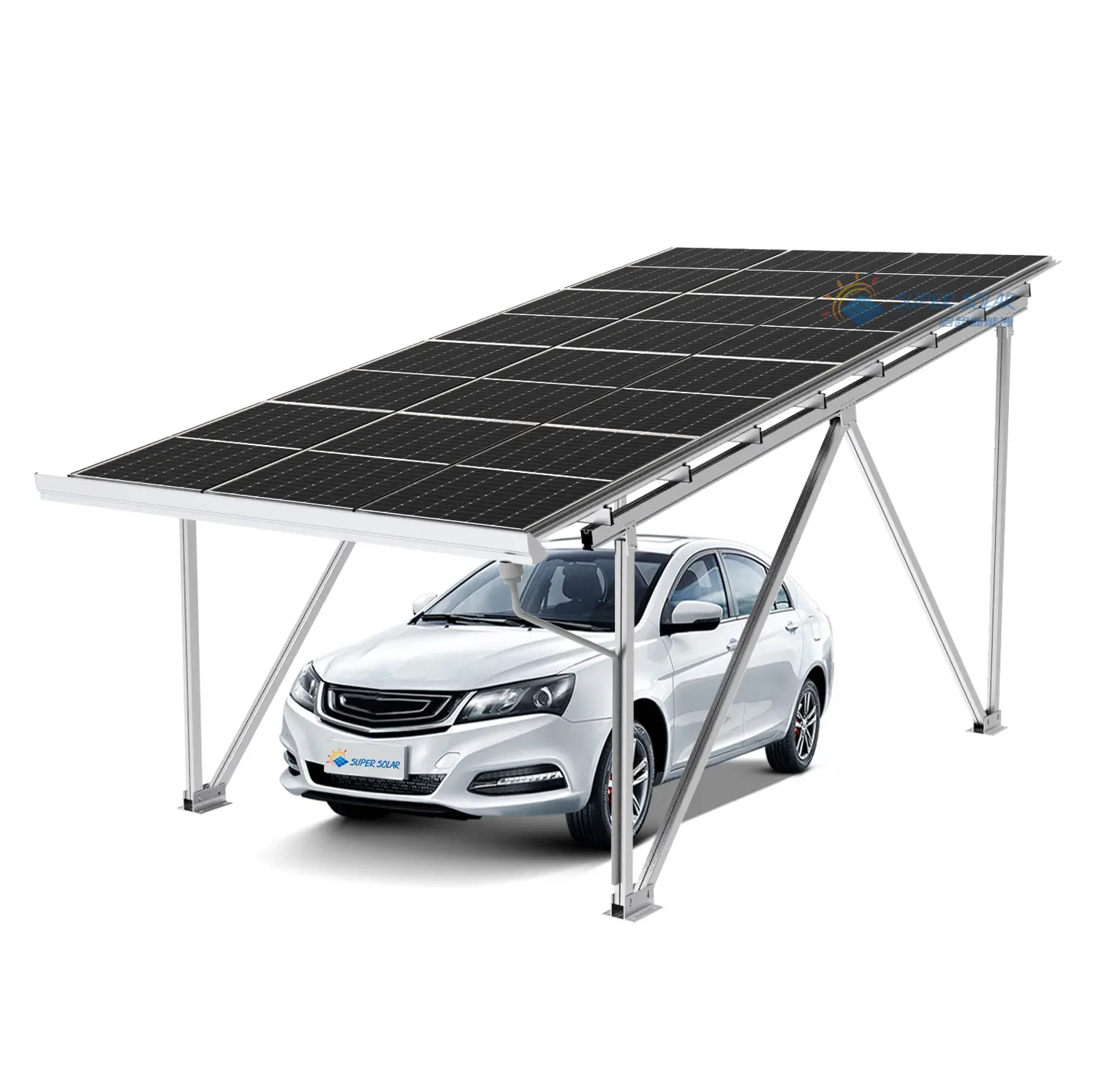
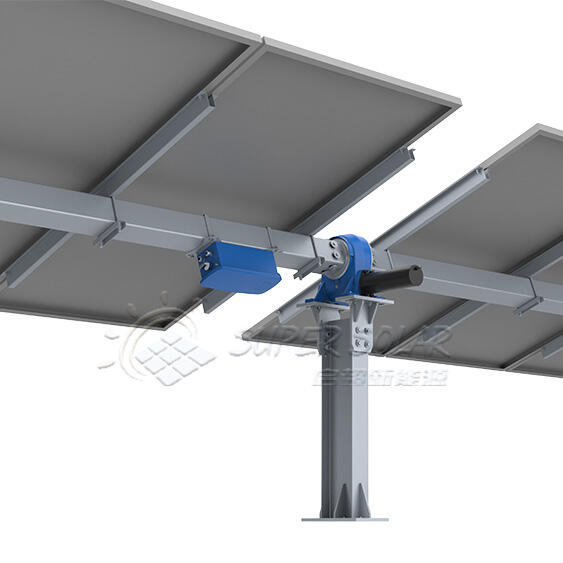
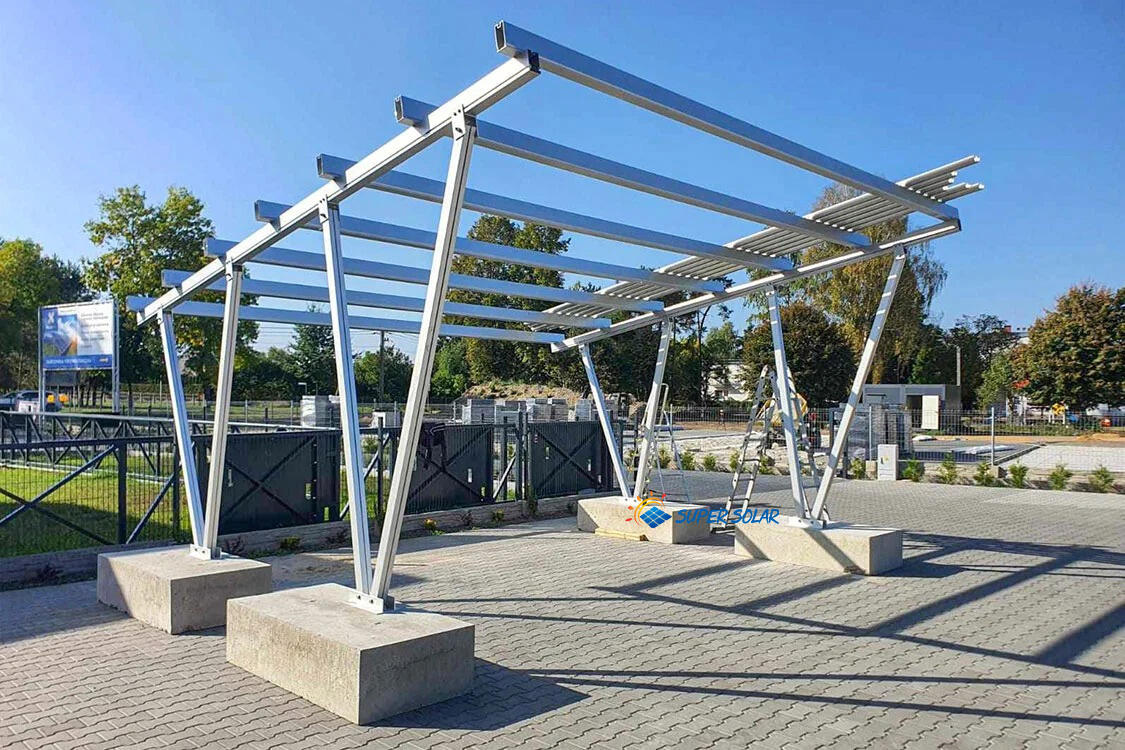
Ground mount solar racking represents a fundamental infrastructure solution that provides stable, secure mounting for solar panel installations on open land areas. This specialized mounting system serves as the backbone for utility-scale solar farms, commercial installations, and residential solar arrays where rooftop mounting proves impractical or insufficient. The primary function of ground mount solar racking involves creating an elevated platform that positions solar panels at optimal angles for maximum sunlight exposure while ensuring structural integrity against environmental forces. These systems typically consist of galvanized steel or aluminum frames that anchor deep into the earth through concrete foundations or helical piles, providing unwavering stability for decades of operation. Advanced ground mount solar racking incorporates adjustable tilt mechanisms that allow operators to modify panel angles seasonally, maximizing energy capture throughout the year. The technological sophistication extends to integrated cable management systems that protect electrical connections from weather exposure and potential damage. Modern designs feature modular construction that enables rapid deployment across large installations while maintaining consistent spacing and alignment. Weather resistance stands as a critical technological feature, with corrosion-resistant coatings and materials engineered to withstand extreme temperatures, high winds, and heavy snow loads. The applications for ground mount solar racking span diverse sectors including utility-scale power generation, agricultural solar installations, commercial parking lot canopies, and residential ground-mounted arrays. These systems prove particularly valuable in regions with abundant land availability or where building-integrated solar solutions face limitations. The versatility of ground mount solar racking accommodates various panel technologies and sizes, making it compatible with evolving solar technology advancements. Installation flexibility allows for customization based on site-specific conditions, soil types, and local climate considerations, ensuring optimal performance across different geographical locations.
 EN
EN