Low Maintenance Solar Tracking System - Maximize Energy Output with Minimal Upkeep

All Categories

low maintenance solar tracking system

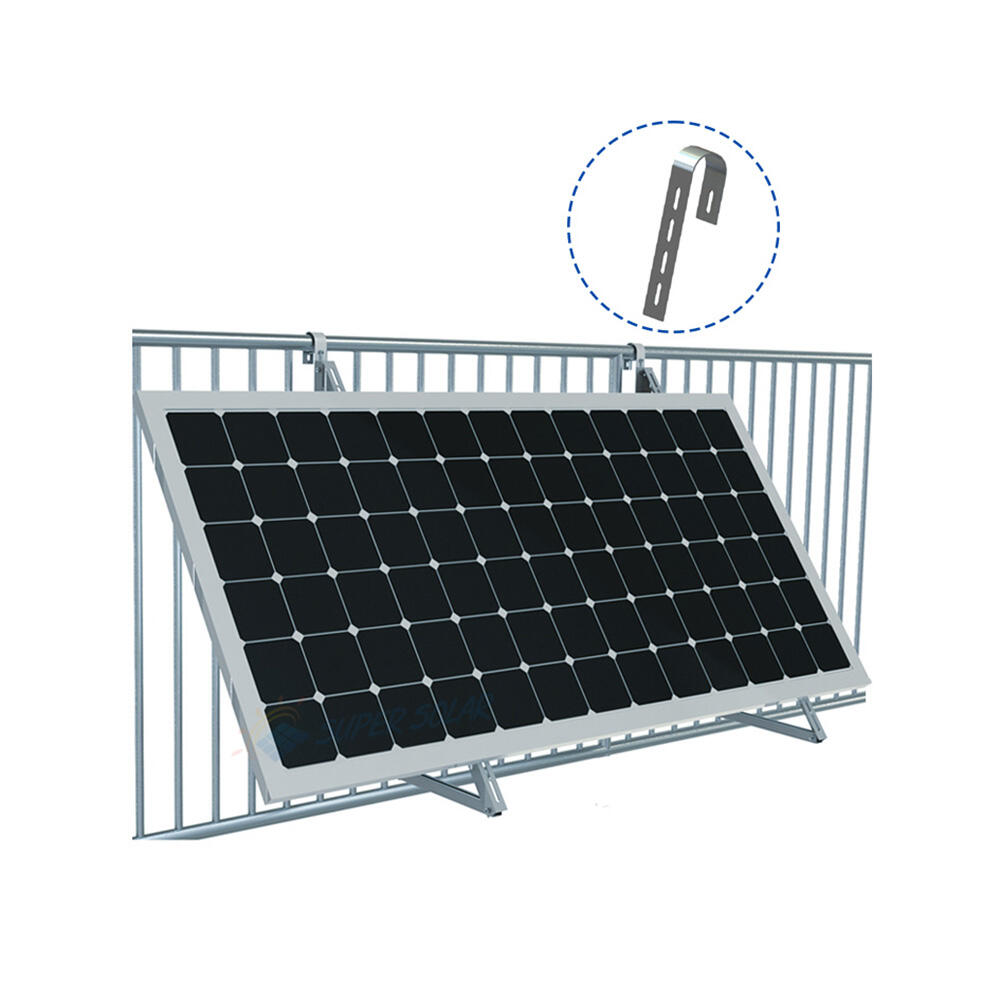
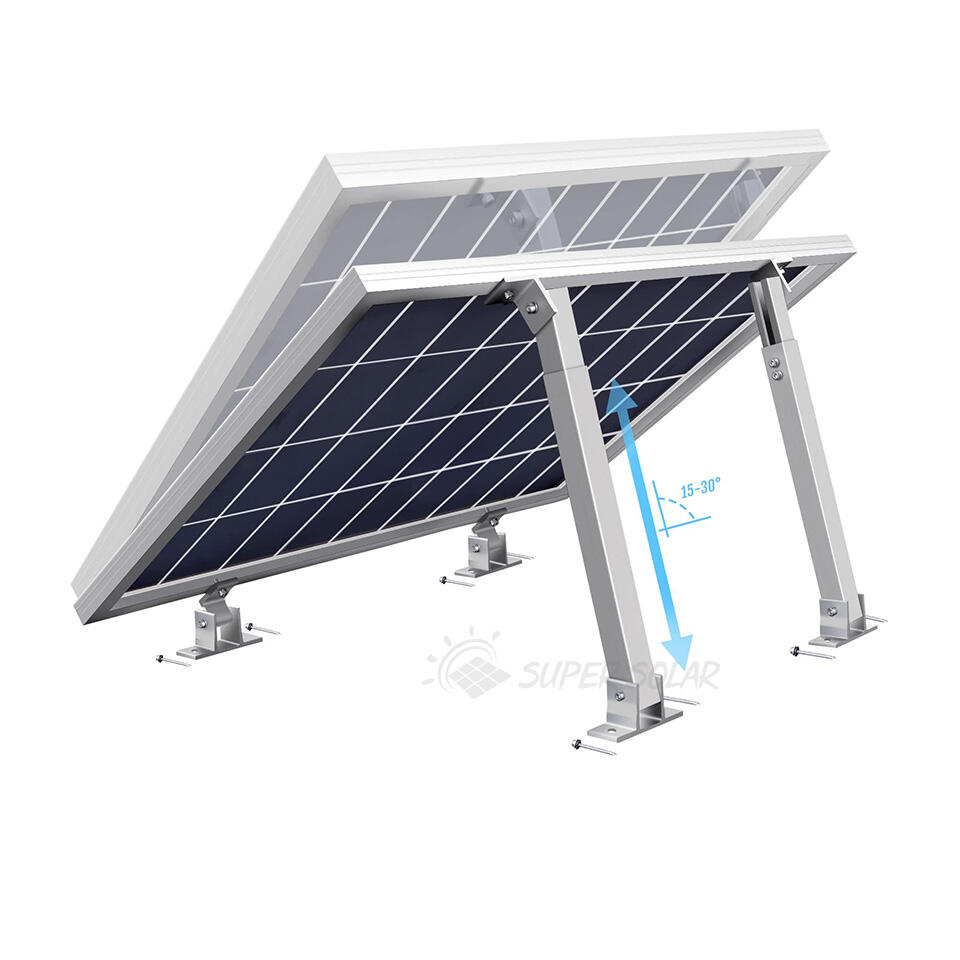
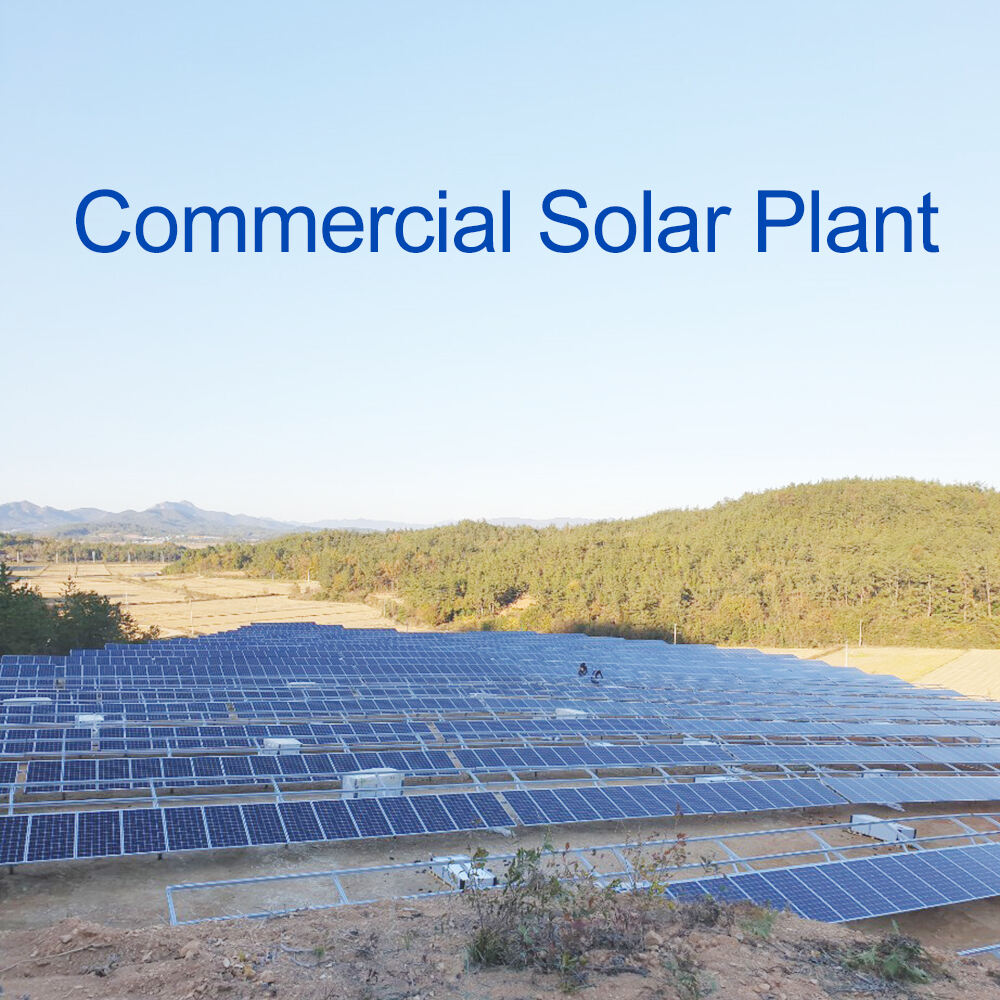
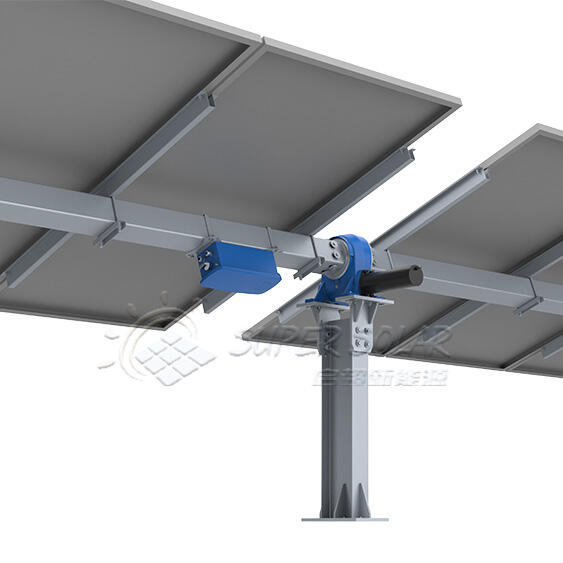
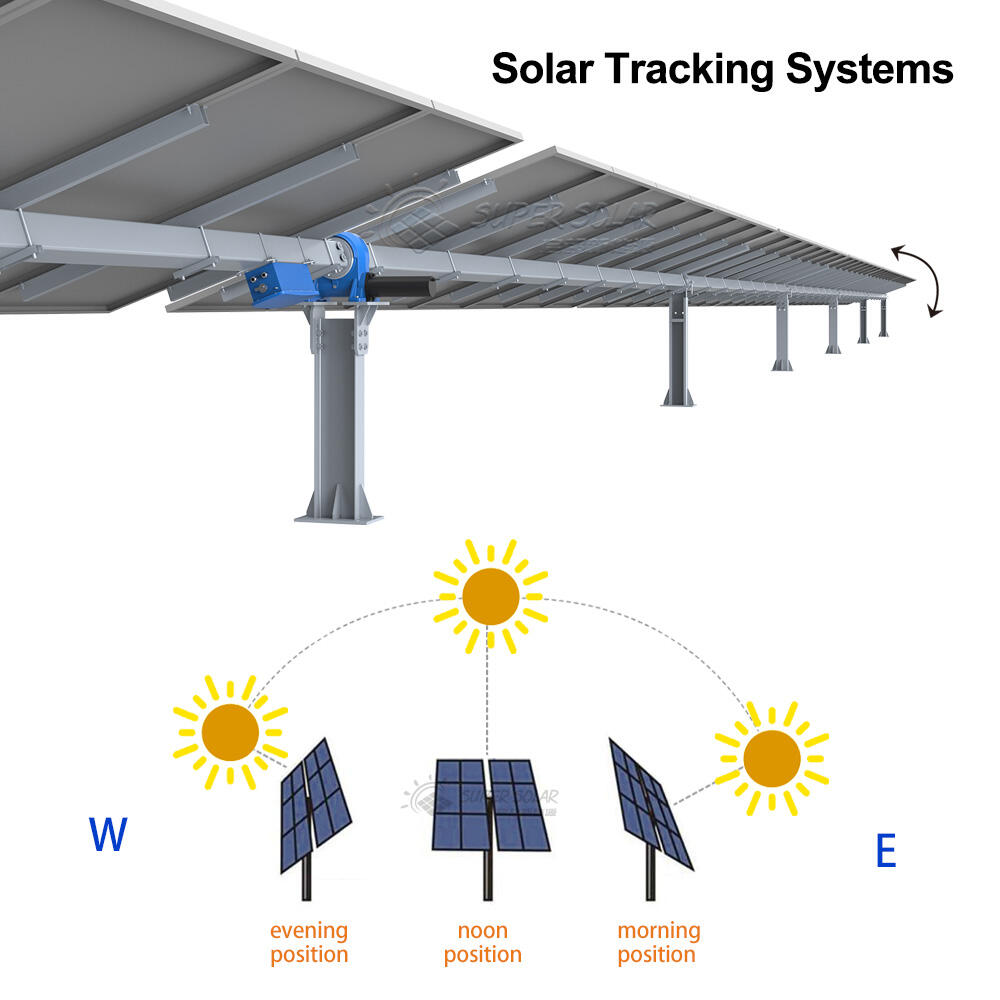
A low maintenance solar tracking system represents an innovative photovoltaic solution designed to maximize solar energy collection while minimizing operational requirements and servicing costs. This advanced technology automatically adjusts solar panel orientation throughout the day to follow the sun's movement across the sky, ensuring optimal light exposure and significantly enhanced energy output compared to fixed installations. The system incorporates sophisticated sensors, durable mechanical components, and intelligent control algorithms that work seamlessly together to deliver superior performance with minimal human intervention. The core functionality centers around precise astronomical calculations and real-time positioning adjustments that enable solar panels to maintain perpendicular alignment with incoming sunlight. Modern low maintenance solar tracking systems utilize weather-resistant materials and corrosion-proof components specifically engineered for extended outdoor operation in diverse environmental conditions. The tracking mechanism typically employs single-axis or dual-axis rotation capabilities, depending on installation requirements and geographical location factors. Advanced models feature self-diagnostic capabilities that monitor system performance continuously and alert operators to potential issues before they become critical problems. The technological framework includes robust drive motors, precision gearboxes, and reinforced structural supports designed to withstand wind loads, temperature fluctuations, and other environmental stresses. Integration capabilities allow these systems to connect with existing power infrastructure and monitoring networks for comprehensive energy management. Applications span residential installations, commercial solar farms, industrial facilities, and utility-scale power generation projects. The low maintenance solar tracking system proves particularly valuable in remote locations where frequent service visits are impractical or costly. Agricultural applications include agrivoltaics installations where solar panels provide both electricity generation and crop protection benefits.

Popular Products

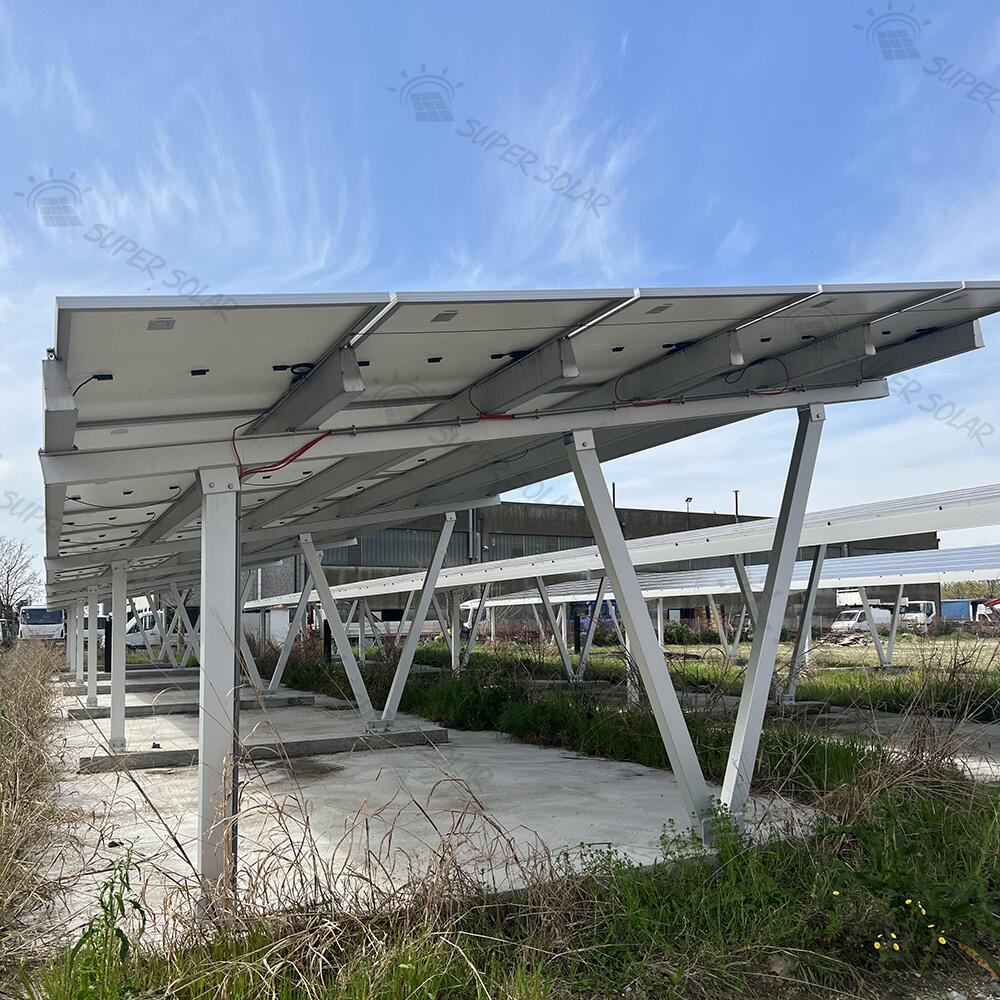
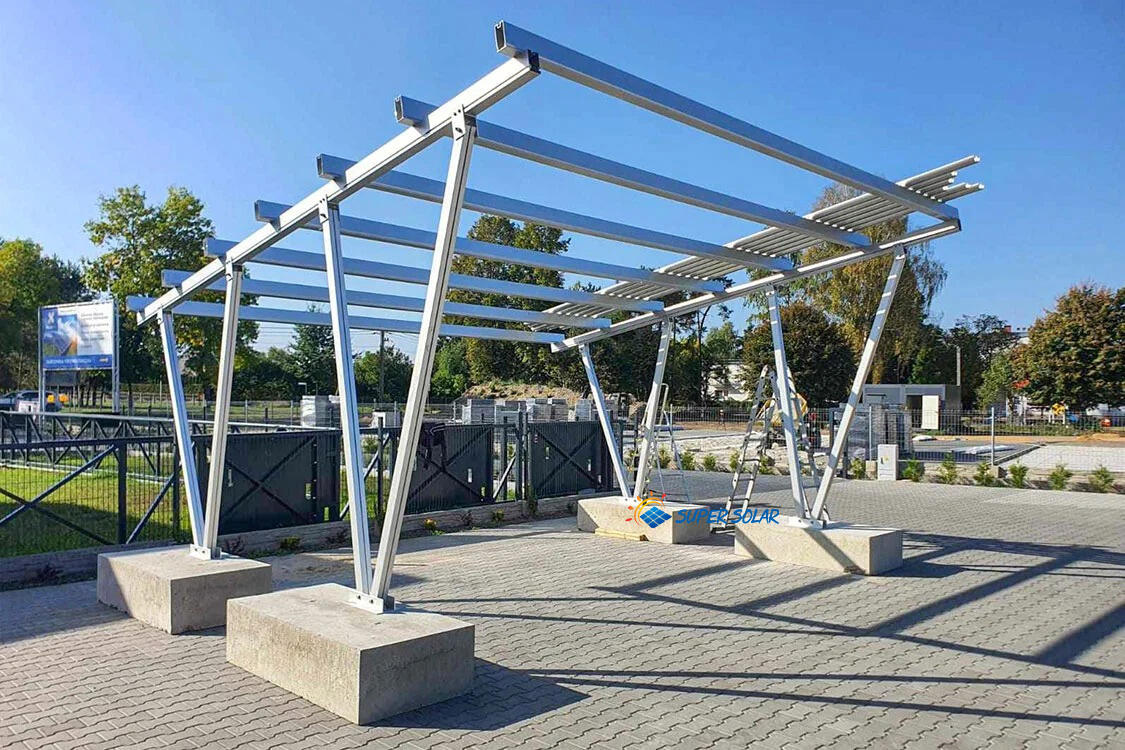
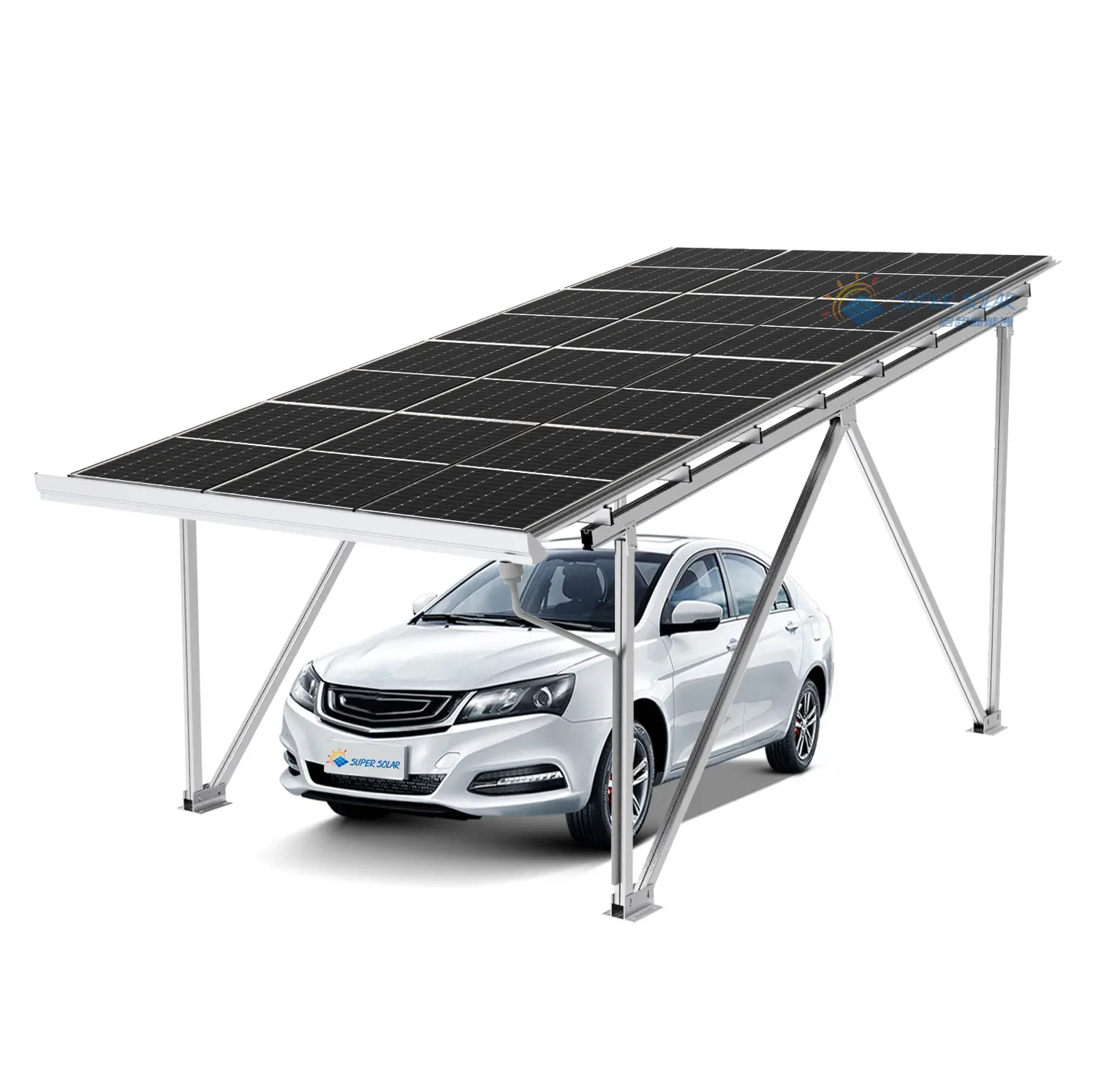
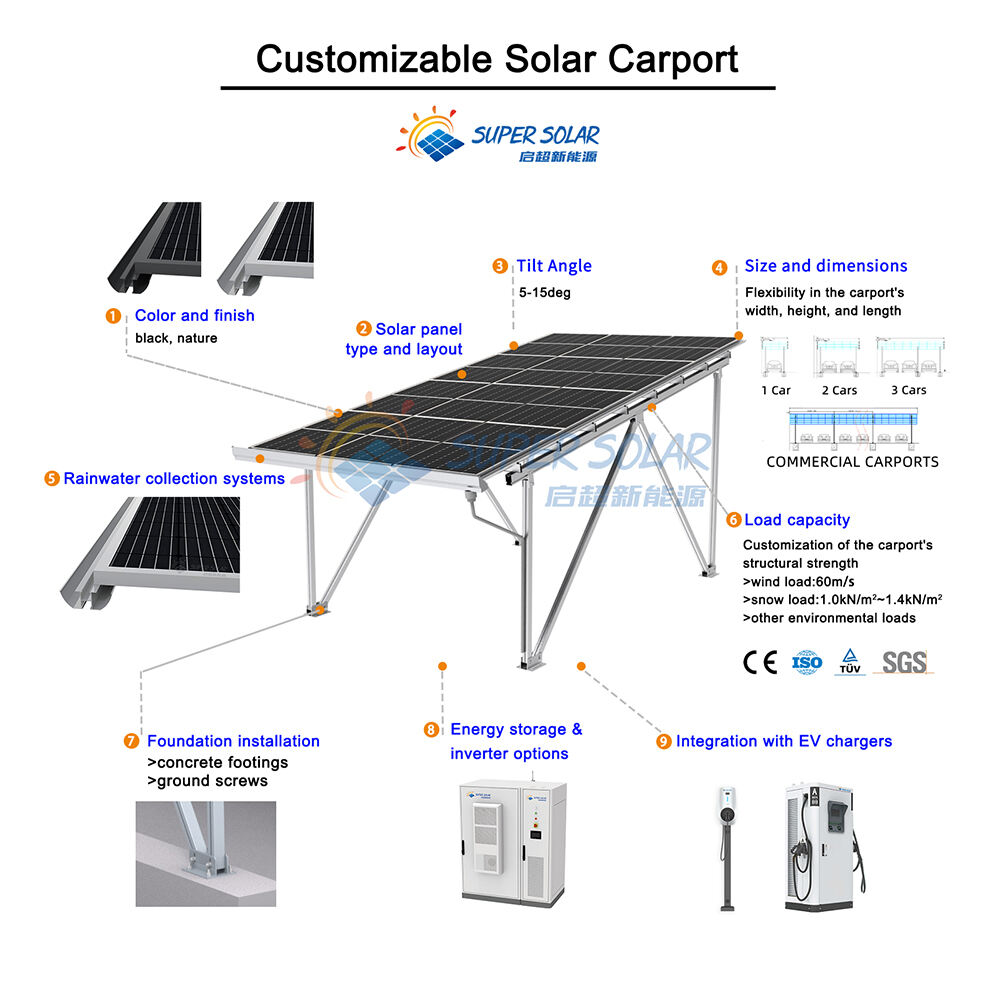
The low maintenance solar tracking system delivers substantial energy production increases ranging from 25 to 45 percent compared to stationary solar installations, translating directly into higher electricity generation and improved return on investment for property owners. This enhanced efficiency stems from the system's ability to maintain optimal panel positioning throughout daylight hours, capturing maximum available solar irradiance even during early morning and late afternoon periods when fixed panels receive limited sunlight. Operational simplicity stands as a primary advantage, as these systems require minimal human oversight once properly installed and calibrated. The automated tracking mechanism operates independently using built-in sensors and control systems, eliminating the need for constant manual adjustments or frequent maintenance schedules that plague traditional tracking solutions. Cost-effectiveness becomes apparent through reduced service requirements and extended component lifespans achieved through superior engineering and quality materials. The system's robust construction minimizes wear and tear on moving parts, while advanced lubrication systems and sealed bearings prevent premature component failure. Weather resilience ensures consistent operation across diverse climate conditions, from extreme temperatures to high humidity environments. The low maintenance solar tracking system incorporates protective features that automatically position panels in safe orientations during severe weather events, preventing damage and costly repairs. Installation flexibility accommodates various site conditions and mounting configurations, making these systems suitable for ground-mount arrays, rooftop installations, and specialized applications like carports or agricultural structures. Remote monitoring capabilities provide real-time performance data and system status updates through smartphone apps or web-based interfaces, enabling proactive maintenance scheduling and quick troubleshooting. Energy independence becomes more achievable as increased solar production reduces reliance on grid electricity and lowers utility bills significantly. The system's longevity exceeds 25 years with proper installation, providing decades of reliable service and predictable energy generation. Environmental benefits include reduced carbon footprint through maximized clean energy production and minimal maintenance-related transportation requirements.

Latest News

What Is a Solar Tracker?

22

Jul

What Is a Solar Tracker?

Understanding Solar Trackers: Definition and Core Functions What Does a Solar Tracker Do? A solar tracker is a sophisticated device crucial for optimizing the performance of solar panels by orienting them towards the sun throughout the day. Its prim...
View More
What Is a Solar Carport for Residential Homes and Why Use It?

20

Aug

What Is a Solar Carport for Residential Homes and Why Use It?

The Growing Popularity of Residential Solar Carports As homeowners increasingly look for ways to reduce energy costs and embrace sustainable living, the solar carport has emerged as a smart solution. A solar carport not only provides shelter for vehi...
View More
How to Design and Install a Solar Carport for Your Business?

24

Nov

How to Design and Install a Solar Carport for Your Business?

The Growing Impact of Solar Carports in Modern Business Infrastructure Solar carports represent a revolutionary advancement in sustainable business infrastructure, combining practical parking solutions with clean energy generation. As businesses incr...
View More
How to Install Solar Mounting Systems on Corrugated Metal Roofs?

24

Nov

How to Install Solar Mounting Systems on Corrugated Metal Roofs?

Understanding Solar Panel Installation on Metal Roofing Installing solar mounting systems on corrugated metal roofs requires careful planning, precise execution, and thorough knowledge of both roofing and solar equipment. Metal roofs present unique c...
View More

Leave Message

Our representative will contact you soon.
Email
Name
Company Name
Message
0/1000

low maintenance solar tracking system

Advanced Self-Diagnostic Technology

Advanced Self-Diagnostic Technology

The revolutionary self-diagnostic technology integrated into modern low maintenance solar tracking systems represents a breakthrough in renewable energy automation that fundamentally transforms how solar installations operate and maintain themselves. This sophisticated monitoring framework continuously evaluates system performance parameters, component health indicators, and environmental conditions to ensure optimal operation while predicting potential issues before they impact energy production. The diagnostic system employs multiple sensor arrays that monitor critical functions including motor performance, gear reduction efficiency, structural alignment, and electrical connectivity throughout the installation. Advanced algorithms analyze this data in real-time, comparing current performance metrics against established baselines to identify deviations that might indicate developing problems. When the system detects anomalies, it automatically implements corrective measures such as recalibrating tracking algorithms, adjusting operational parameters, or temporarily modifying tracking behavior to prevent component damage. The predictive maintenance capabilities significantly reduce unexpected downtime and emergency service calls by alerting operators to components approaching their service intervals or showing early signs of wear. This proactive approach to system management ensures maximum uptime and consistent energy production while minimizing maintenance costs and extending overall system lifespan. The diagnostic system also maintains detailed operational logs that provide valuable insights into system performance trends, environmental impacts, and optimization opportunities. Remote connectivity features enable technicians to access diagnostic data from anywhere, facilitating quick troubleshooting and reducing the need for on-site visits. The low maintenance solar tracking system benefits tremendously from this technology, as it transforms reactive maintenance approaches into predictive strategies that save time, money, and resources while ensuring reliable operation throughout the system's operational lifetime.

Weather-Adaptive Protection Mechanisms

Weather-Adaptive Protection Mechanisms

Weather-adaptive protection mechanisms in low maintenance solar tracking systems provide unprecedented safeguarding capabilities that automatically respond to changing environmental conditions, ensuring system longevity and consistent performance regardless of weather challenges. These intelligent protection features utilize integrated weather sensors and meteorological data feeds to monitor real-time conditions including wind speed, precipitation levels, temperature fluctuations, and atmospheric pressure changes that could affect system operation or component integrity. When adverse conditions are detected, the system immediately implements appropriate protective measures tailored to the specific threat level and type of weather event. During high wind conditions, the tracking system automatically positions panels in aerodynamically stable orientations that minimize wind loading and prevent structural damage, while maintaining partial energy production when safely possible. Heavy precipitation triggers protective positioning that prevents water accumulation in sensitive components and ensures proper drainage without compromising electrical safety systems. Extreme temperature events activate thermal protection protocols that adjust tracking speeds, modify operational schedules, and implement component cooling or warming strategies to prevent thermal stress and material degradation. The adaptive algorithms continuously learn from environmental patterns and system responses, improving protection effectiveness over time through machine learning capabilities. Hail detection systems trigger rapid panel positioning to minimize impact surface area and activate protective covers when available, significantly reducing the risk of panel damage during severe storms. The low maintenance solar tracking system incorporates these weather-adaptive features seamlessly into normal operations, requiring no manual intervention or operator expertise to activate protective measures. Snow load management includes specialized positioning algorithms that facilitate natural snow shedding while preventing excessive accumulation that could damage mounting structures. Lightning protection integration coordinates with tracking systems to ensure safe panel positioning during electrical storms while maintaining proper grounding and surge protection throughout the installation.
Precision Tracking with Minimal Energy Consumption

Precision Tracking with Minimal Energy Consumption

Precision tracking capabilities combined with minimal energy consumption represent the engineering excellence that sets advanced low maintenance solar tracking systems apart from conventional alternatives, delivering maximum solar energy capture while using less than 3 percent of generated power for tracking operations. This exceptional efficiency stems from innovative motor technologies, advanced gear reduction systems, and intelligent control algorithms that optimize tracking movements for maximum energy gain with minimal power expenditure. The precision tracking mechanism utilizes high-resolution encoders and GPS-based positioning systems that maintain panel orientation accuracy within 0.1 degrees throughout the day, ensuring optimal solar exposure even during rapidly changing sun angles. Smart tracking algorithms calculate the most energy-efficient movement patterns, consolidating multiple small adjustments into single optimized movements that reduce motor cycling and extend component life. The system employs variable-speed drive controls that adjust motor output precisely to match tracking requirements, eliminating energy waste associated with constant-speed systems that operate at full power regardless of load conditions. Advanced bearing systems and precision-machined components minimize friction losses, allowing smaller motors to handle tracking loads efficiently while reducing ongoing energy consumption. The low maintenance solar tracking system incorporates sleep modes and intelligent scheduling that temporarily suspends tracking operations during periods when energy gains would be minimal, such as heavily overcast conditions or when solar irradiance falls below predetermined thresholds. Regenerative braking capabilities capture kinetic energy during tracking movements and feed it back into the system, further improving overall energy efficiency. The tracking system's power consumption remains consistent regardless of array size, making it equally efficient for small residential installations and large commercial solar farms. Backup power systems ensure continued tracking operation during grid outages, utilizing stored energy or direct panel power to maintain optimal positioning until normal operations resume. Environmental sensors optimize tracking patterns based on current weather conditions, reducing unnecessary movements during cloudy periods while maintaining readiness for optimal tracking when solar conditions improve.

Leave Message

Our representative will contact you soon.
Email
Name
Company Name
Message
0/1000