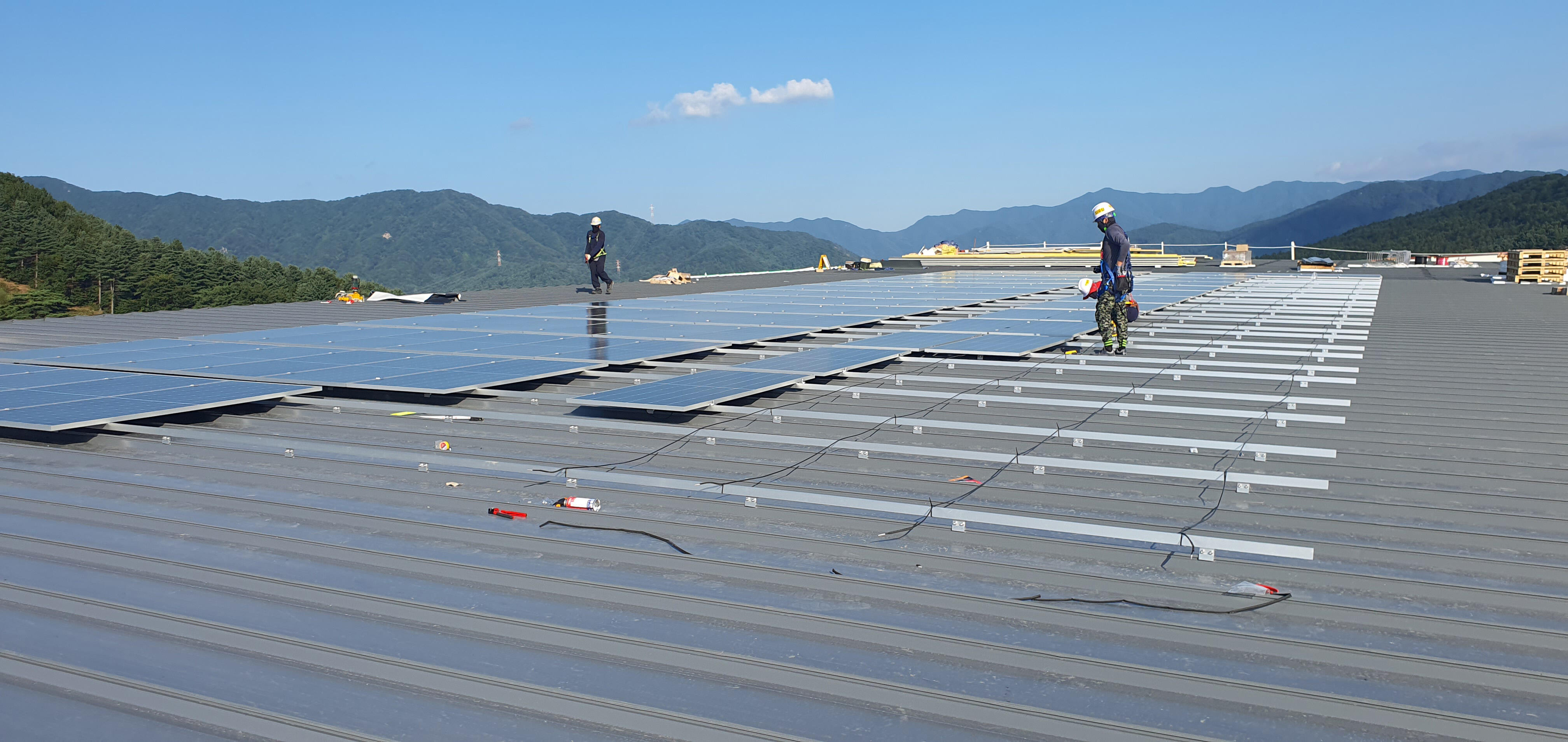
solar panel mount bracket
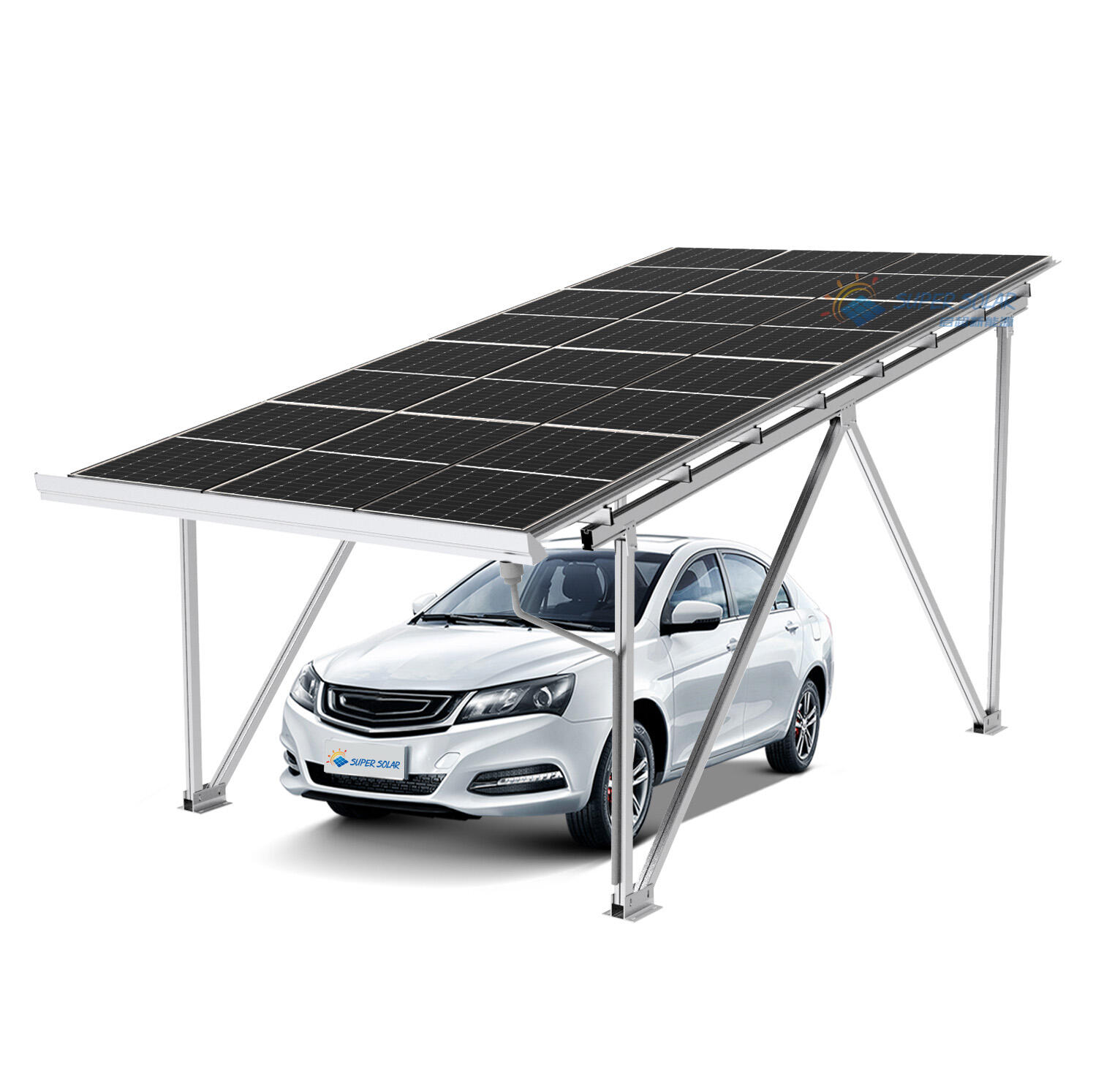
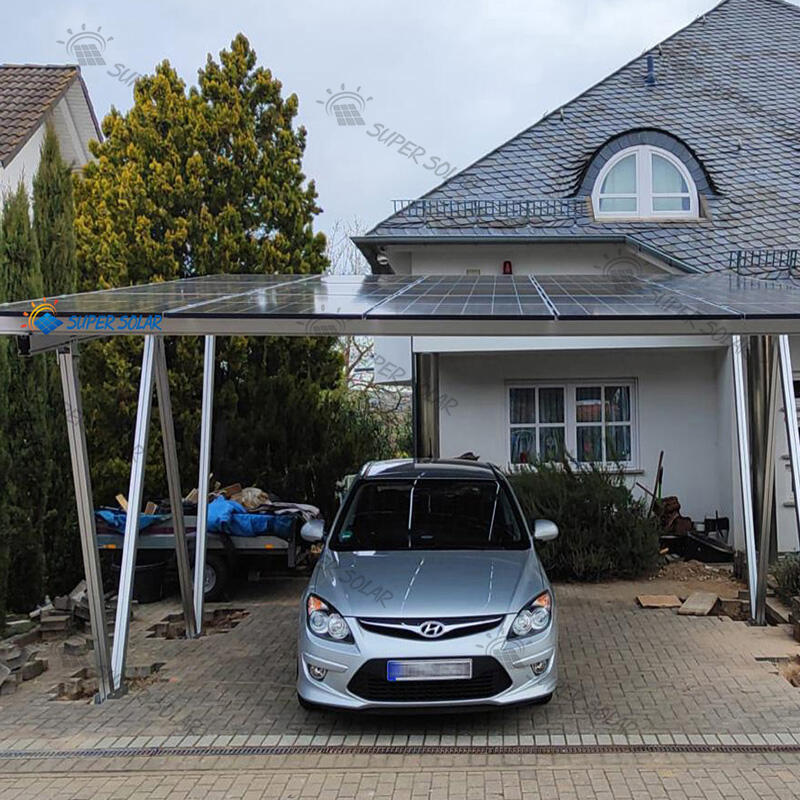
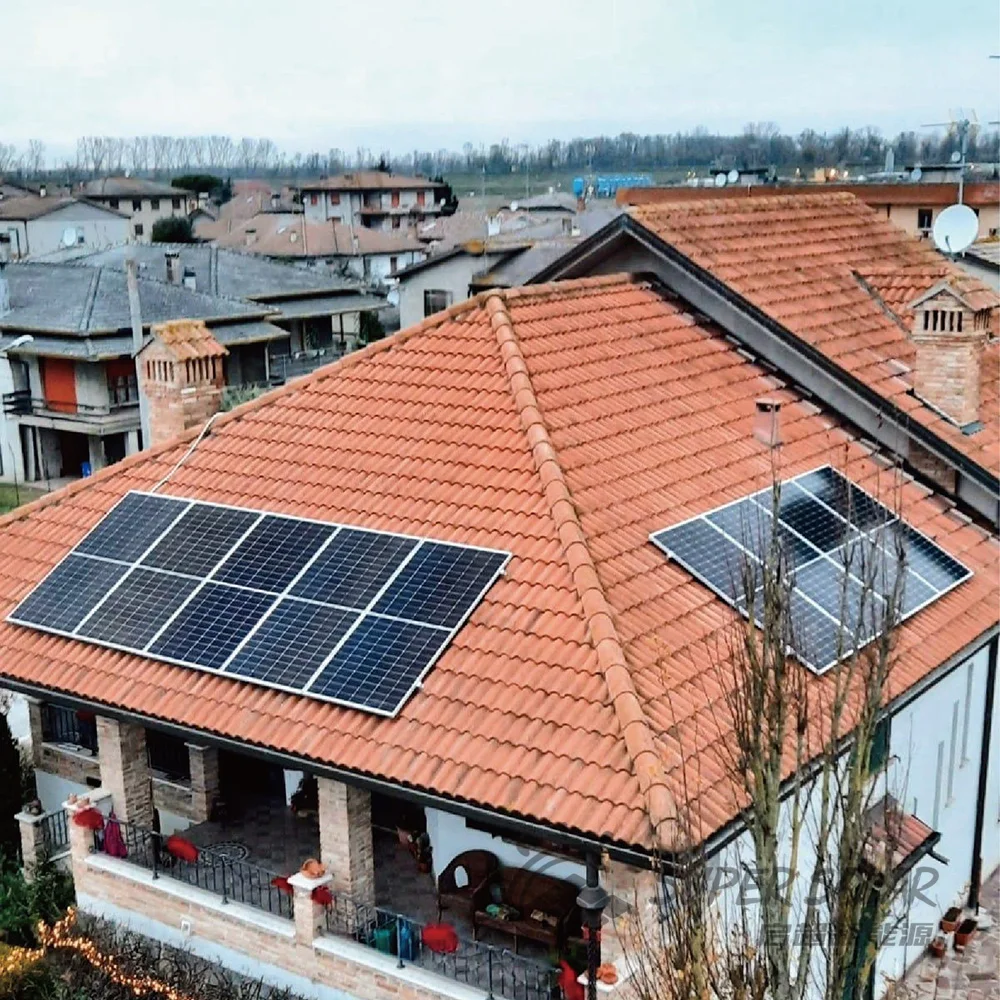
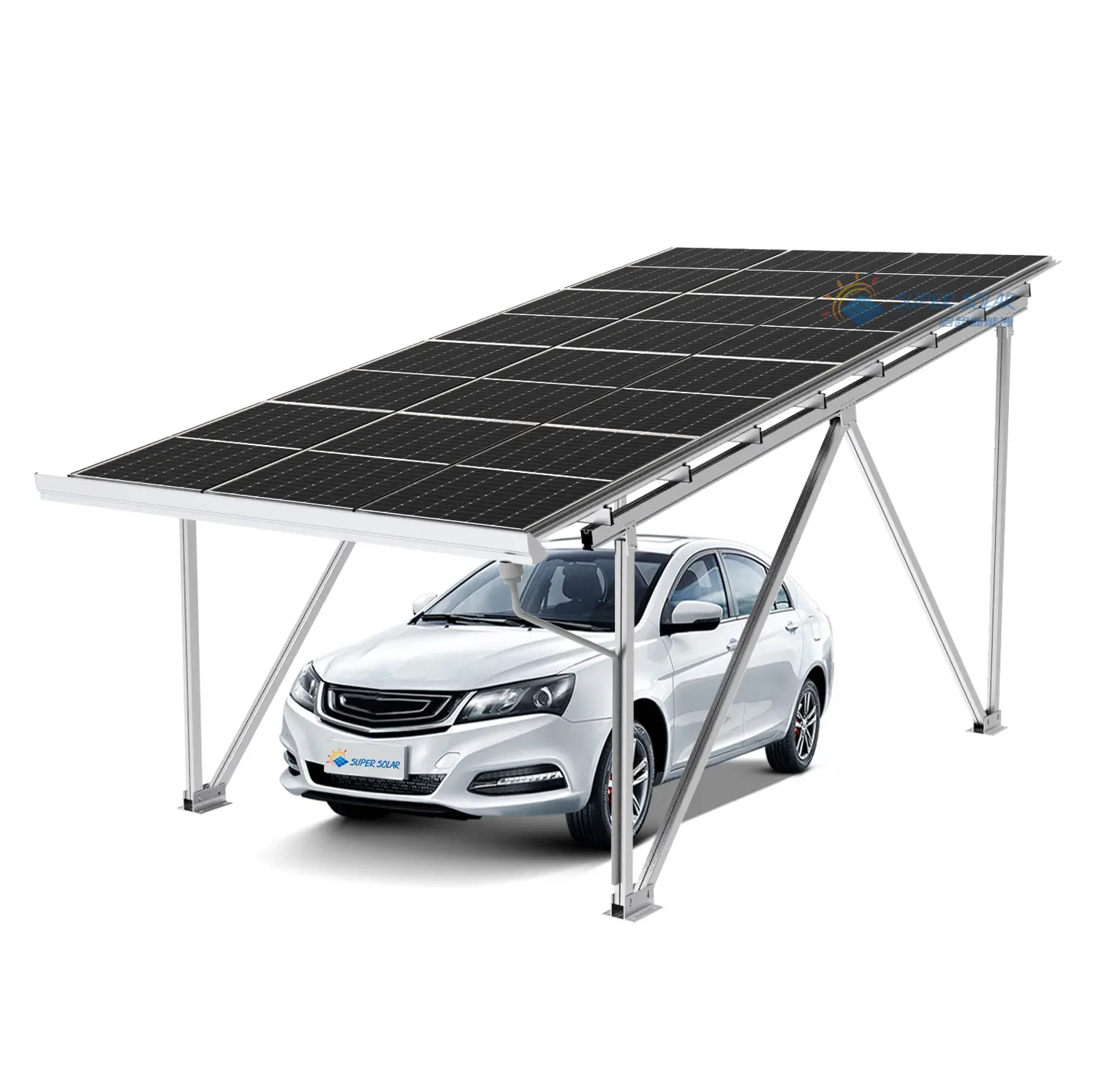
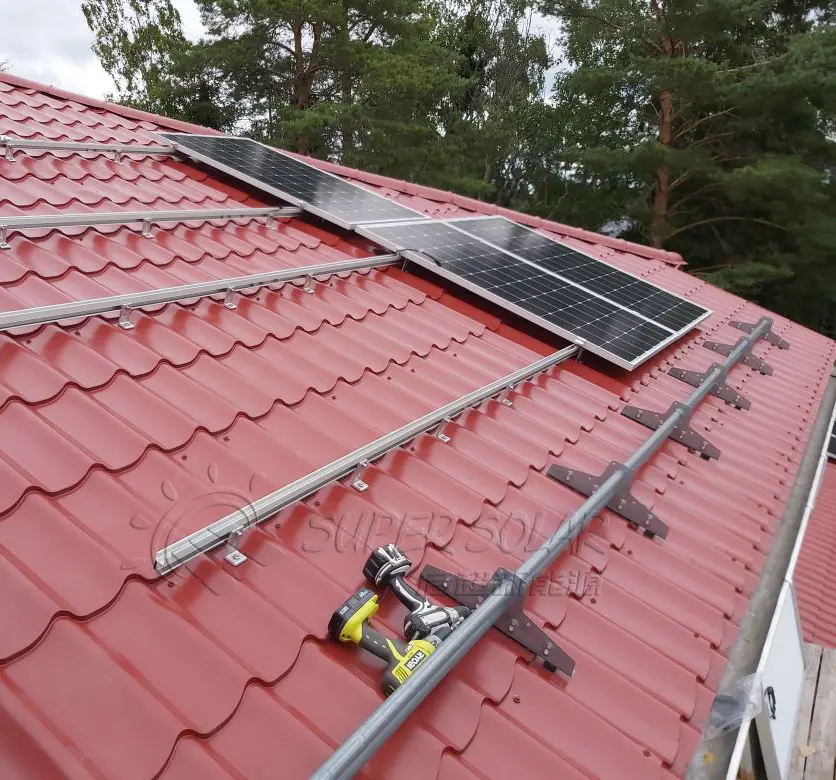
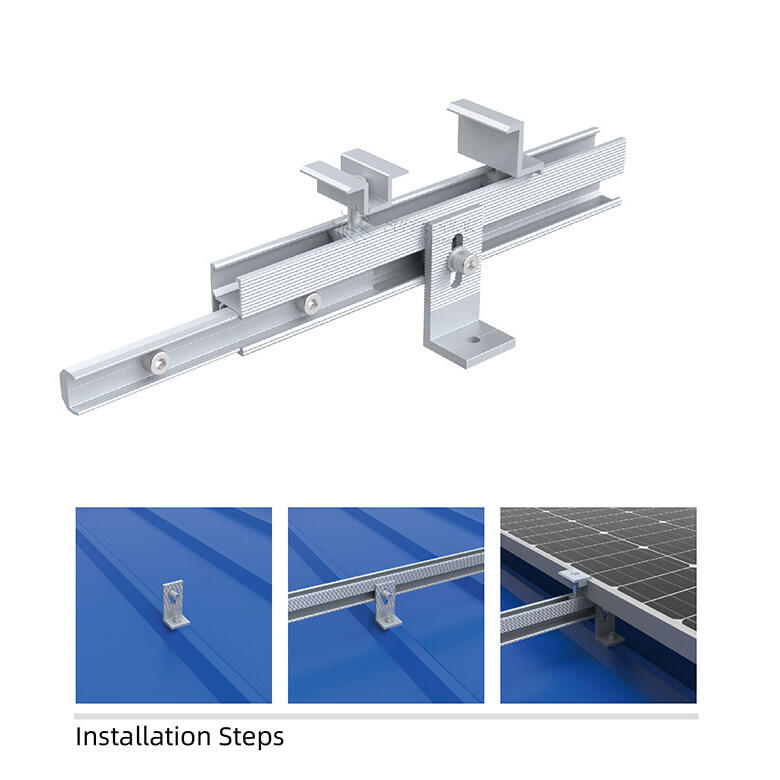
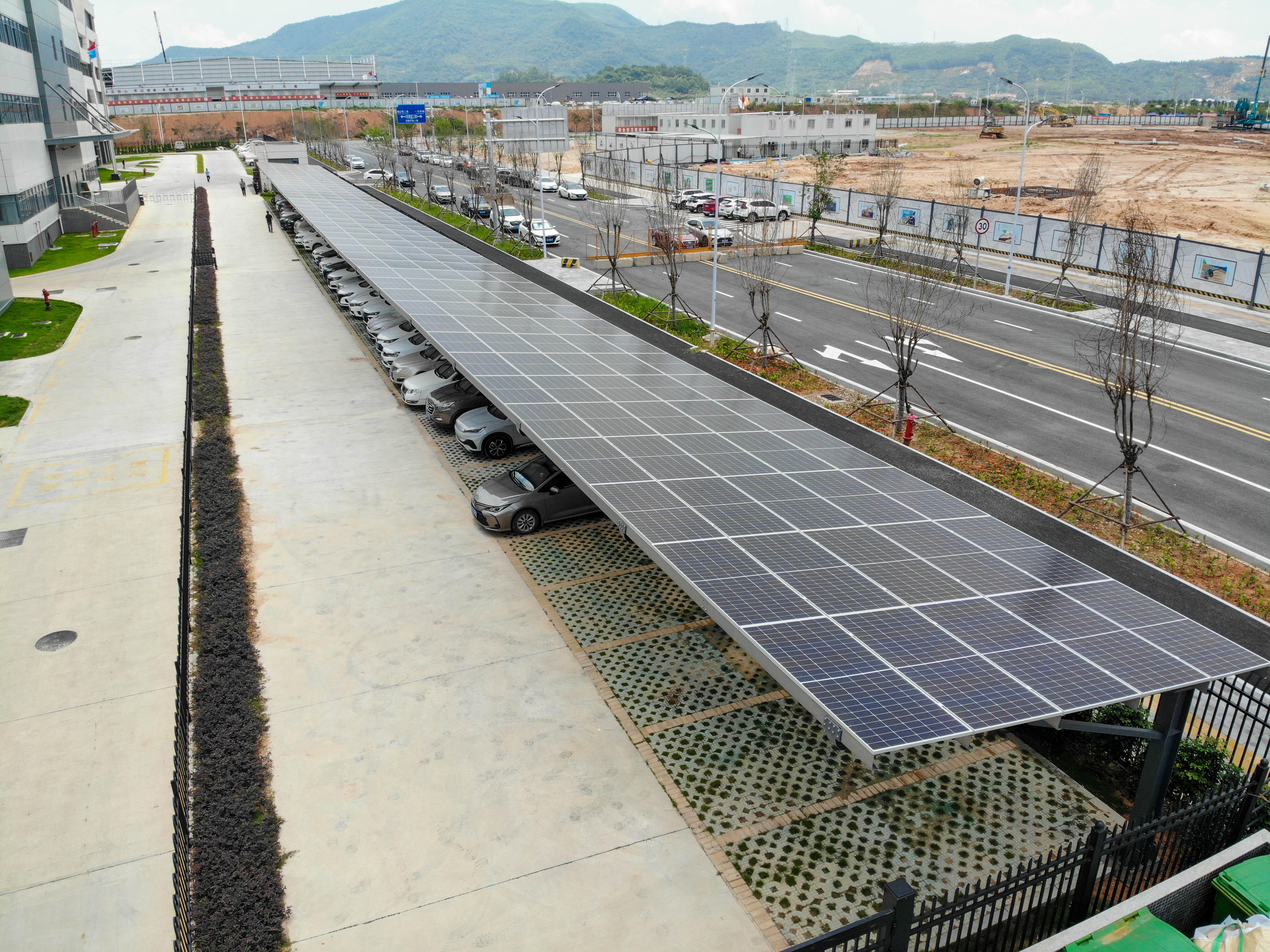
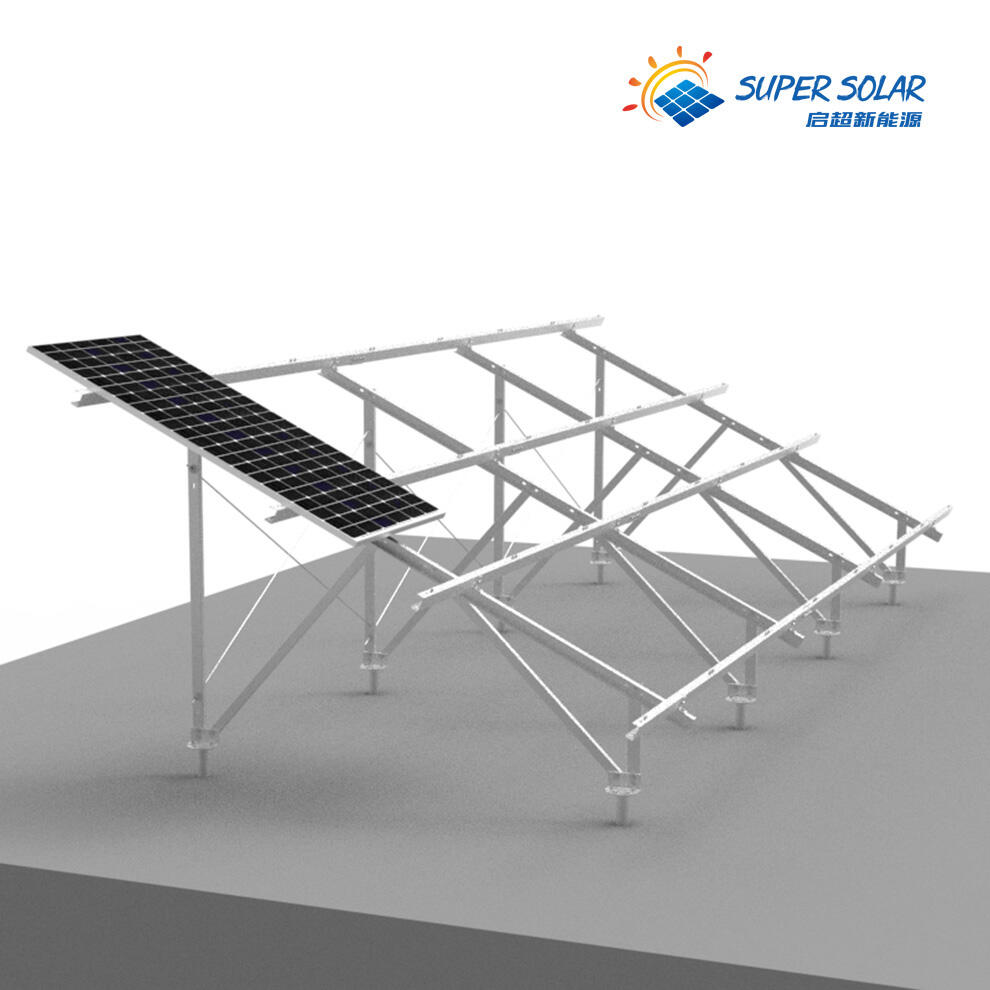
Solar panel mount brackets serve as the foundational framework that secures photovoltaic panels to various surfaces, ensuring optimal positioning and long-term stability for solar energy systems. These essential components bridge the gap between solar panels and mounting surfaces, whether on rooftops, ground installations, or specialized structures. The primary function of a solar panel mount bracket involves providing secure attachment points that withstand environmental stresses while maintaining precise panel alignment for maximum energy generation efficiency. Modern solar panel mount bracket systems incorporate advanced engineering principles to accommodate different installation scenarios, from residential rooftops to large-scale commercial projects. The technological features of contemporary solar panel mount bracket designs include corrosion-resistant materials, typically anodized aluminum or stainless steel construction, which ensures durability against harsh weather conditions. These brackets feature adjustable mechanisms that allow installers to fine-tune panel angles for optimal sun exposure throughout different seasons. Pre-drilled holes and standardized dimensions facilitate quick installation while maintaining structural integrity. Many solar panel mount bracket systems incorporate built-in grounding provisions, eliminating the need for separate grounding equipment and simplifying electrical connections. The applications for solar panel mount brackets span across residential, commercial, and utility-scale installations. Residential applications include pitched roof mounting, flat roof installations, and ground-mount systems for properties with adequate land space. Commercial applications encompass large warehouse rooftops, parking canopies, and building-integrated photovoltaic systems. Utility-scale projects utilize heavy-duty solar panel mount bracket arrays designed to support thousands of panels across vast solar farms. These versatile mounting solutions accommodate various panel sizes and weights while ensuring compliance with local building codes and wind load requirements, making them indispensable components in modern solar energy infrastructure development.
 EN
EN